Address
15 Qingnian West Road, Shiyan Subdistrict, Bao’an District, Shenzhen, Guangdong, China.
Work Hours
Monday – Friday: 24 Hours
Weekend: 24 Hours
Address
15 Qingnian West Road, Shiyan Subdistrict, Bao’an District, Shenzhen, Guangdong, China.
Work Hours
Monday – Friday: 24 Hours
Weekend: 24 Hours
Last Updated: November 9, 2026
A tear, dent or change in the surface of a TPE sex doll does not always call for the same response. The safest starting point is to stop handling the affected area, identify the exact model and ask the manufacturer or seller for product-specific advice. A repair method suitable for one formulation or construction may not be suitable for another.
This guide helps you document damage, avoid making it worse and understand what to ask before choosing a repair or replacement. It does not provide a universal at-home repair method or promise that every mark can be removed.
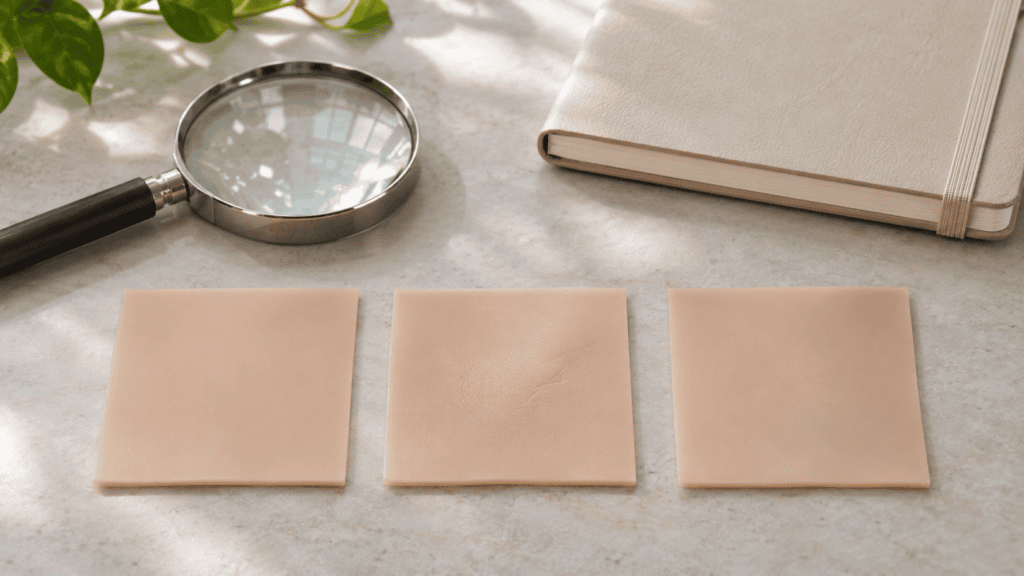
Place the doll in a stable, supported position that does not stretch or press on the affected area. Do not try to make a tear look larger or separate its edges for a photograph. Note where the problem is, when you noticed it and whether it changed during ordinary handling. A pressure mark, a surface scrape, a split and an exposed internal component may need different assessments.
If the damage is near an electrical feature or a cable appears damaged, stop using the feature. Disconnect power only when it is safe to do so and follow the product instructions. Do not open the body or attempt electrical work yourself.
Do not use a heat gun, hair dryer, hot tool or hot water to melt or reshape a damaged area without explicit guidance from the manufacturer for that exact product. Do not treat smoke or fumes as a signal that a repair is working. Heat can cause burns or damage the product, and the effects of heating an unknown formulation cannot be assumed from another doll or a generic tutorial.
Do not apply oils, petroleum jelly, household glue, solvents or a repair liquid to a damaged area based only on a generic online instruction. Some products can alter a material or finish, and compatibility can differ between the head, body, painted areas and accessories. If a manufacturer recommends a treatment, request the exact product, application method and relevant safety information in writing before deciding what to do.
If a heated material or chemical releases fumes, stop the activity and move to fresh air. For an exposure or symptoms, seek advice from a local poison centre or medical professional; seek emergency help for severe symptoms. US readers can consult Poison Control’s exposure guidance.
A clear description helps the seller or manufacturer assess the problem without asking you to perform a risky repair. Use even lighting and photograph the whole affected region as well as a close view. Include a ruler for scale if it can be placed alongside the area without pressing into it. Share only the information requested and avoid exposing personal details in photos.
Keep the packaging if the item arrived damaged. Report delivery issues promptly and check the terms that apply to your order. LevDoll customers can use the contact page and review the returns policy and shipping protection information. These pages state different reporting periods, so ask support which terms apply rather than assuming a deadline.
A seller may request more photographs, refer you to the manufacturer or suggest a model-specific service. Ask whether a proposed repair is compatible with the exact material and finish, who will perform it, whether it affects applicable warranty terms and whether there are inspection, parts or shipping charges. Obtain the return and packing instructions before sending anything.
A small mark does not automatically mean that a product must be replaced, and a large or recurring tear is not automatically a suitable home project. Surface condition, location, the model’s construction and the available service all matter. Ask for a written assessment instead of relying on a guaranteed repair result or a generic curing time.
Keep the affected area free from tension, pressure and contact with sharp objects. Follow the manufacturer’s normal storage guidance and do not use a damaged feature while waiting for advice. If you need to clean the surrounding area, ask whether cleaning is appropriate first and use only the product and method specified for the model; do not put liquid into an opening, tear or electrical component without explicit instructions.
For moving or storing the doll, support its weight as directed for that model and ask for help if needed. Avoid unsupported standing or improvised hanging. The silicone and TPE comparison gives background on material choices, but it does not replace product-specific care instructions.
No. Size, location, construction and the manufacturer’s instructions matter. Stop stressing the area and ask for a model-specific assessment before choosing a repair.
Do not use a heat gun or other heat source on a damaged area without explicit instructions from the manufacturer for that exact product. Never use smoke or fumes as a repair indicator.
Do not apply oil or petroleum jelly to the damaged area based on a generic recommendation. Ask the manufacturer whether a named product and method are appropriate for your model and finish.
No universal compatibility can be assumed. Ask for the exact manufacturer-approved product and instructions, including safety precautions and any effect on warranty or support.
Stop handling the affected area, photograph the product and packaging, retain the packaging and contact the seller promptly. Ask which reporting terms apply to your order.
Stop using and handling the affected area. If an electrical feature is involved, disconnect power only when safe and contact the seller or manufacturer for instructions; do not open the product.
Document the issue, protect the area from further stress and obtain written guidance for the exact doll. A cautious assessment can help you compare appropriate support options without adding avoidable heat, chemicals or tension to an already damaged surface.