Address
15 Qingnian West Road, Shiyan Subdistrict, Bao’an District, Shenzhen, Guangdong, China.
Work Hours
Monday – Friday: 24 Hours
Weekend: 24 Hours
Last Updated: November 9, 2026
Choosing sex doll clothes involves more than picking a style. The fit, closures, fabric dye and way you handle the doll can affect how easy an outfit is to use and how well the surface is protected. Start with the measurements and care instructions for the exact model.
This guide covers measuring, selecting garments, dressing and storing a doll, and reducing the risk of color transfer. No fabric or preparation method can guarantee that a garment will not stain or leave pressure marks; ask the manufacturer when compatibility is unclear.
Locate the product name, body measurements, material and manufacturer’s handling instructions. A flexible outer material may have an internal frame, painted details or movable hands that require particular care. Head and body finishes can differ, so do not assume that advice for one part applies to every part.
Choose a stable workspace with enough room for the doll and garment. Consider the doll’s weight and your own ability to support it. Ask another adult for help when needed, and follow the manufacturer’s guidance for moving and positioning the specific model. Never depend on an unsupported standing position just to make dressing easier.
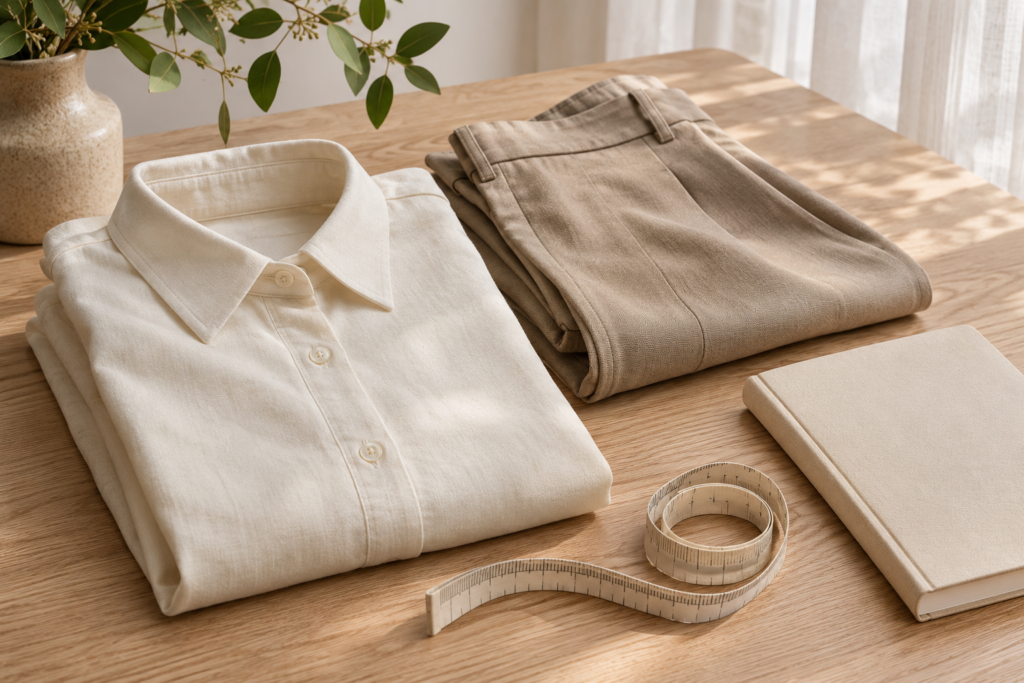
Use the measurements supplied for the actual doll when they are available. If you measure it yourself, use a flexible tape and keep it flat without compressing the material. Record both inches and centimeters if the retailer uses a different unit, and compare measurements with the garment seller’s size chart rather than relying on a size label alone.
A size chart can describe a garment laid flat, a recommended body measurement or a stretched measurement. Ask the seller which one is shown. Leave reasonable room for ease and for the garment’s lining and fasteners; a stretch label alone does not tell you how much pulling the doll or clothing can safely tolerate.
Look at how the garment opens. A front-opening shirt, a wrap-style garment or a dress with a sufficiently wide opening may be easier to position than a garment with a narrow neck or tight cuffs. Compare the whole outfit, including linings, elastic, hooks, beads, zippers and unfinished seams.
Hard closures or decorative pieces can catch on the surface, painted details or articulated fingers. Check whether they face the doll and whether the manufacturer recommends a compatible barrier. A soft hand feel or premium fabric label does not by itself establish that a garment is colorfast or safe for a particular finish.
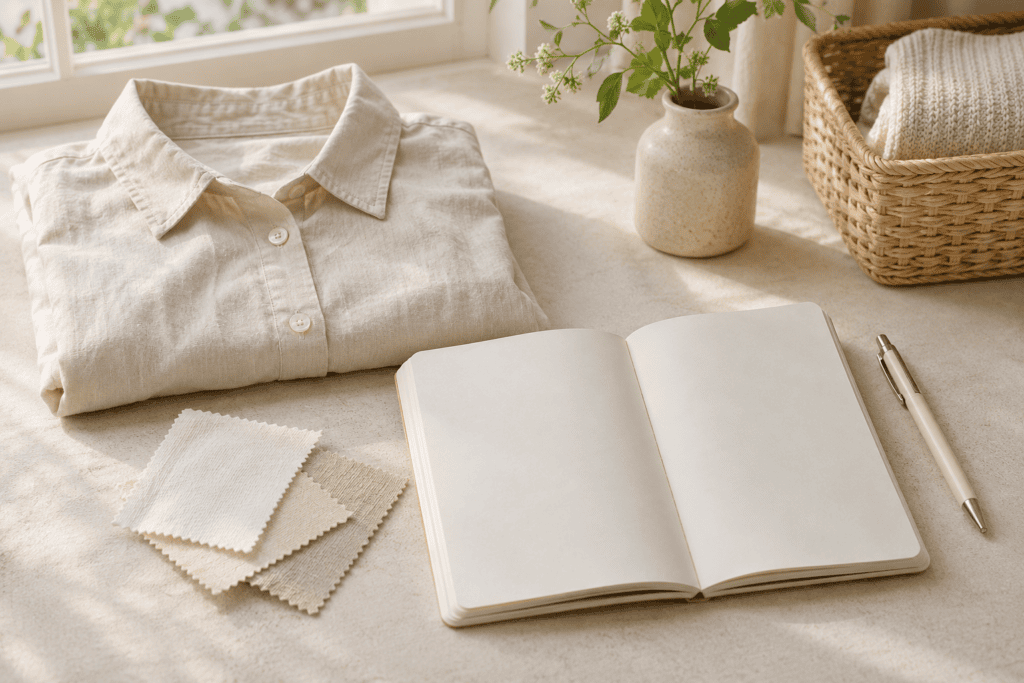
Dark, saturated or printed fabrics, leather and other dyed components can transfer color to some flexible surfaces. The risk depends on the garment, finish, contact time and conditions. As a model-specific example, Sino Doll’s care guide cautions against prolonged contact with dark or untested fabrics and suggests checking garments using the included material sample for its products.
Wash new garments according to their own care label and let them dry completely before contact. Washing can remove some loose dye but does not prove a garment is safe. If the manufacturer supplied a test sample, ask for and follow its test instructions; a clean result is informative, not a guarantee against transfer during longer or different contact.
Where the manufacturer recommends a liner or protective layer, verify that the liner itself is clean, dry, colorfast and suitable for the exact product. Light colors are a useful precaution, not proof of compatibility. Check the outfit and contact areas regularly, especially at seams, waistbands and points under pressure; ask support how often to inspect your model.
Lay the garment out, open fasteners fully and support the doll in the position described by its manufacturer. Work slowly around one opening at a time. Guide the garment over a hand or foot without pulling the fingers, toes, head or limbs; stop if a joint, seam or opening resists. Do not force a pose beyond the model’s stated range.
Watch for pressure from straps, underwires, tight elastic and jewelry, as well as snagging around nails, makeup and wigs. If an outfit is difficult to fit, choose a larger opening or a different design rather than pulling harder. If a fastening catches or a surface mark appears, stop and contact the seller or manufacturer for model-specific advice.
After removing an outfit, inspect the contact areas in good light for color transfer, impressions, abrasion or a loose accessory. Do not scrub a mark, apply an unknown cleaner or use heat in an attempt to erase it. Record the location and appearance, and ask the manufacturer or seller for advice appropriate to the material and finish.
Clean the doll only as directed for that model and allow the specified areas to dry fully before storage. Follow the garment’s care label separately; a detergent suitable for clothing is not automatically suitable for the doll. Keep cleaned clothes dry and away from dust, and store accessories so that sharp edges cannot rub against them.
For longer storage, ask whether to remove clothing and which cover and support position are appropriate. Sino Doll recommends removing clothing that may transfer color for long-term storage of its products; RealDoll’s Classic care guide also discusses clothing, pressure and staining for that product. These are examples, not universal specifications.
For material background, see our silicone and TPE comparison. If you need help identifying a product or its instructions, use the LevDoll contact page and provide the exact model or order details.
Compare the exact doll’s chest, waist, hips, length and openings with the seller’s chart. Check whether the chart gives body measurements or garment measurements, and leave room to dress without force.
They can transfer dye to some surfaces. Wash garments as directed, follow the model’s care instructions and use an approved test sample where available. No color or test can guarantee that staining will never occur.
No. Dye, lining, fasteners and contact time can all matter. Ask the manufacturer about your specific finish and inspect contact areas regularly.
Check the manufacturer’s storage instructions. Some brands recommend removing clothes for longer storage because fabric, straps and closures can transfer color or leave pressure marks.
Stop pulling and support the doll safely. Open the garment as much as possible and consult the manufacturer or seller if it cannot be removed without force.
Remove pressure only if you can do so safely, document the area and ask the manufacturer or seller for model-specific guidance. Avoid scrubbing, heat or unverified stain removers.
Use the model’s measurements and instructions to narrow your choices, then check openings, pressure points and possible dye transfer. Taking a few minutes to plan the outfit helps you enjoy different looks while protecting the product and keeping its care requirements in view.

[…] you are also planning an outfit, the clothing and dressing guide covers fit and handling. Follow the particular doll’s care instructions when moving or dressing […]